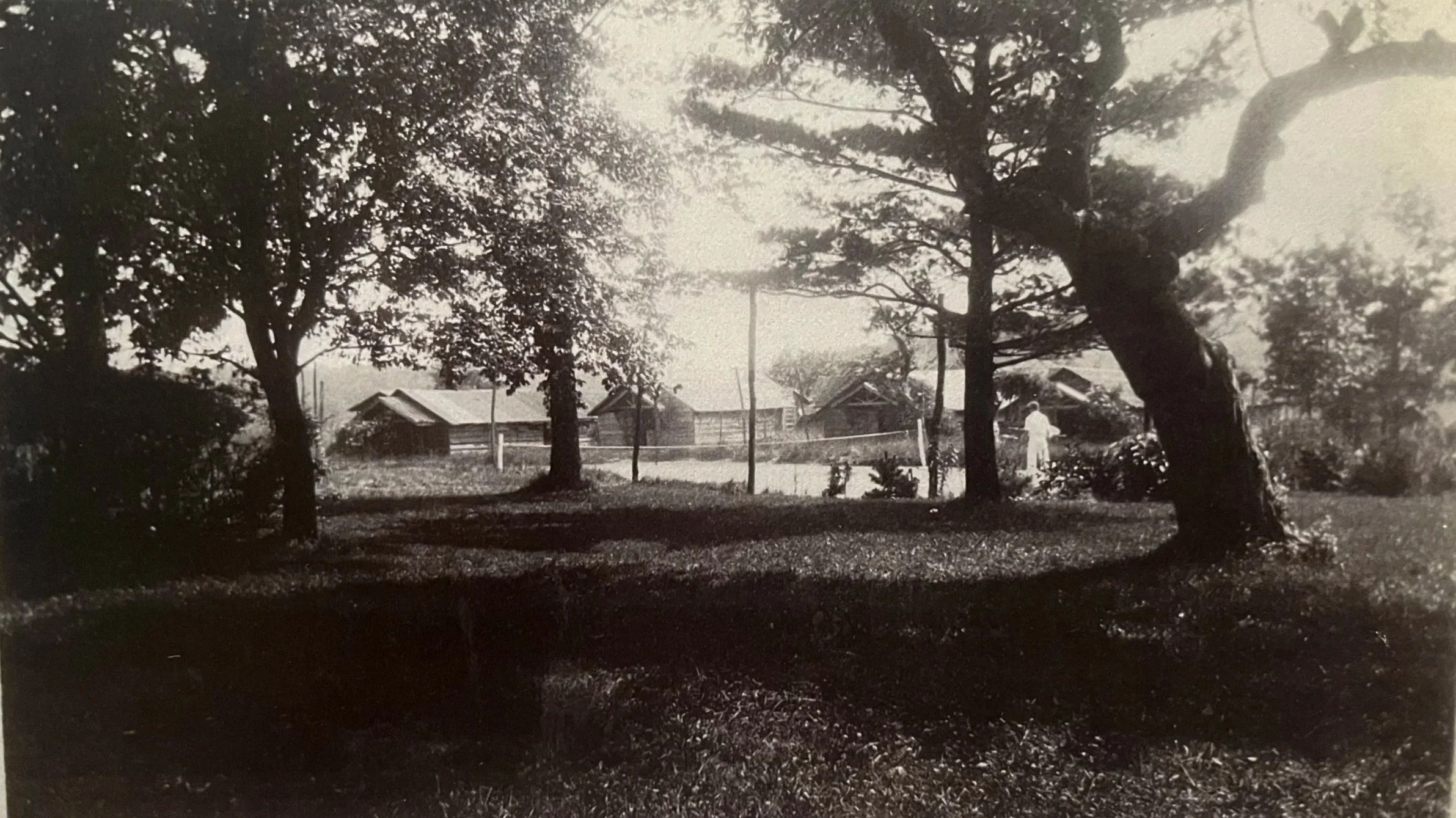
The Camp at Lake Choconut is located on lands once occupied by the Susquehannock peoples, and most likely also the Onondaga and Oneida (part of the Haudenosaunee Confederacy).
European settlement occurred following Dr. R. H. Rose’s 1809 purchase of 100,000 acres (probably from the State of Pennsylvania). Dr. Rose sold a swath of the land to Philadelphia-based Quaker Caleb Carmalt, who resettled his family there in 1827 near the town of Friendsville. The region as a whole was home to a vibrant Anti-Slavery movement, and the site of the Camp at Lake Choconut was once part of the Underground Railroad.
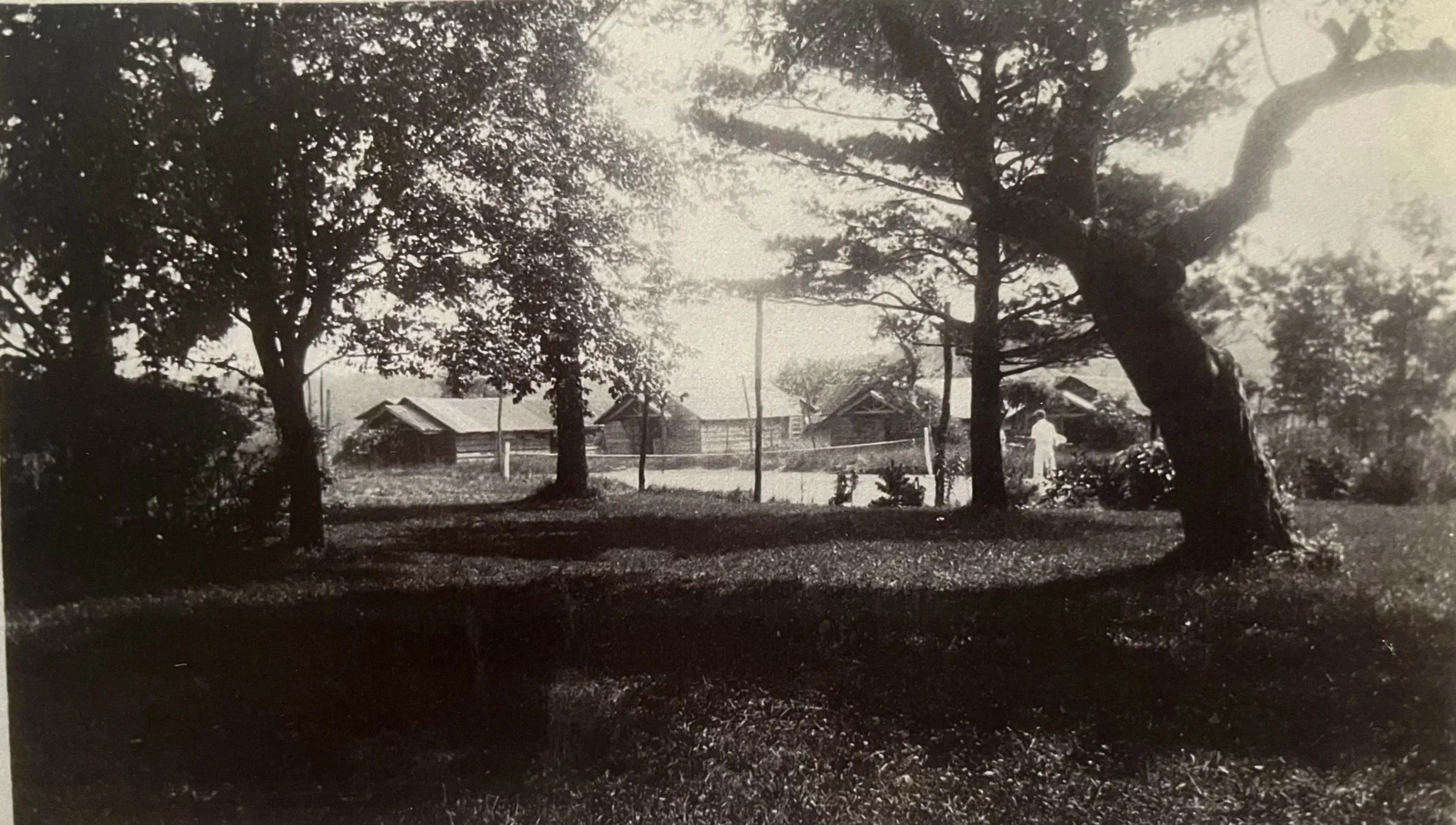
The first camp began on the land in 1896 when Caleb’s grandson, Roland J. Mulford, established Camp Choconut. The camp buildings and grounds have been the site of hiking, camping, and outdoor living since that time.
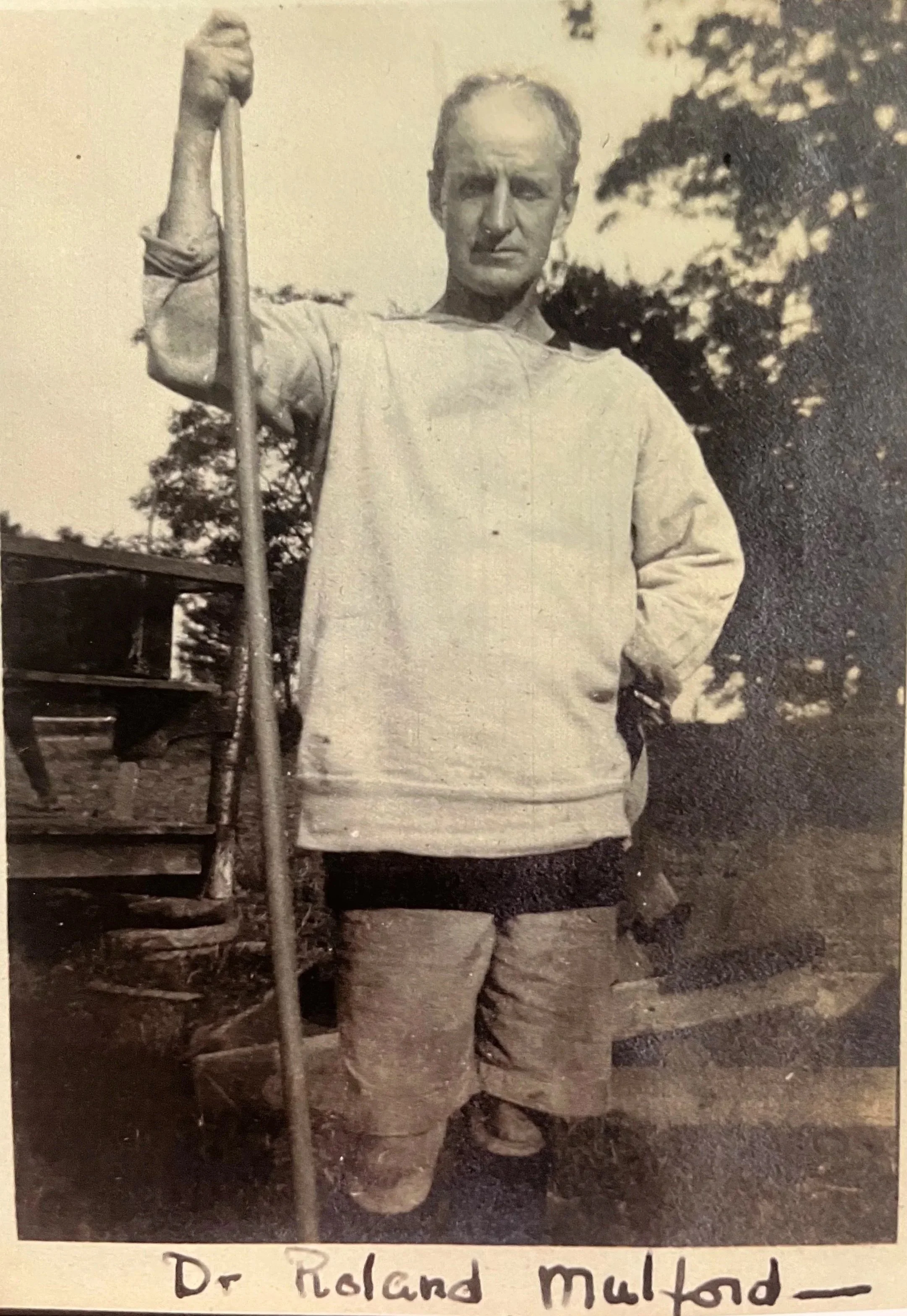
Camp Choconut
1896-1953
1961-1985
2007-2013
In 1896, Roland Jessup Mulford founded Camp Choconut. His sister Sara started a second camp in 1902 for younger children. In 1914, the two camps merged.
Choconut I closed in 1953, and Choconut II was opened in 1961 by S. Hamill Horne (a former camper and counselor). Ham brought back some of the old traditions and created many new ones.
The third and final version of Camp Choconut was started by alums of Ham’s camp in 2007. It closed in 2013, at which point the Camp at Lake Choconut began renting land on a week-by-week basis (including to some former campers). Many groups come annually and have developed new communities at camp.
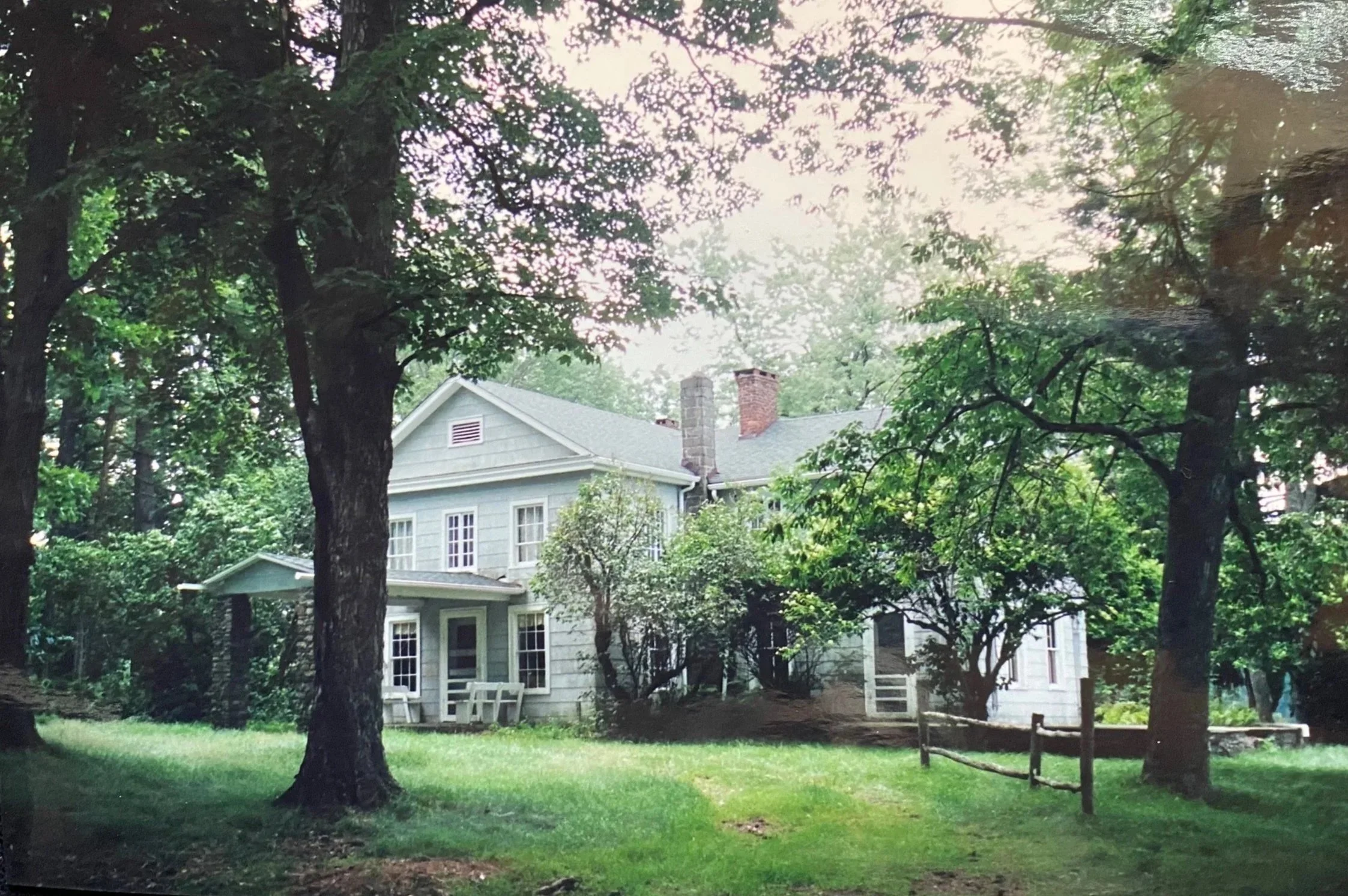
Camp Susquehannock for Girls
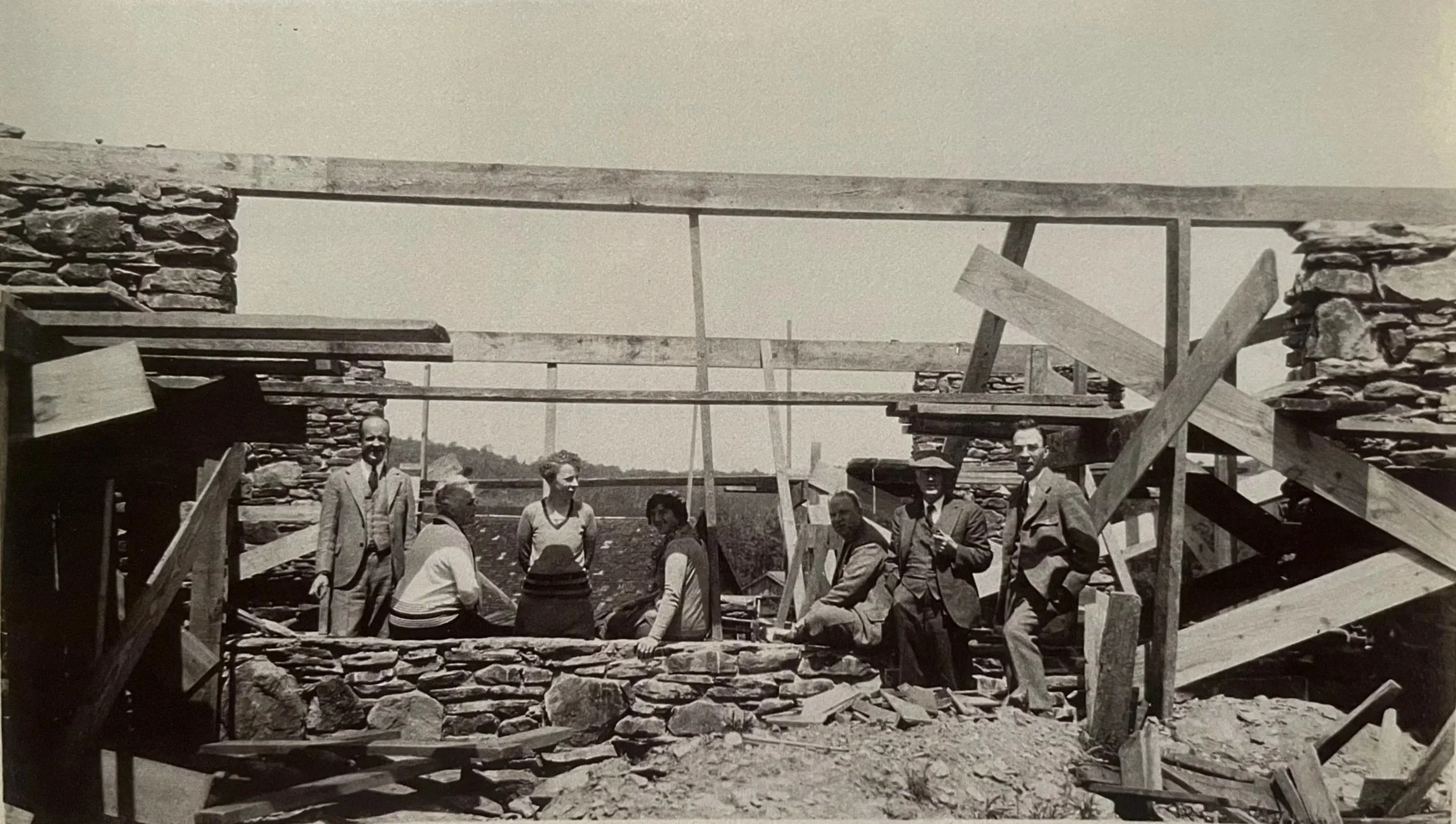
Starting in 1986, George and Dede Shafer ran Camp Susquehannock for Girls on the property. The girls camp built an indoor gym for rainy days along with new cabins and bathrooms.
S4G’s final season was in 2006.
Selected references
Camp Choconut yearbook (1937). Forty-second year.
Horne, S. Hamill (2005). Camp Choconut: A History of the Boys’ Camp near Friendsville, Pennsylvania. Camp Choconut Free Press.
Mordovancy, James (2003). The Settlement of Friends. In The Supervisors’ Official Newsletter of Choconut Township.
Mulford, John (1968). Cemeteries Can Be Fun: A History of Choconut Lake Cemetery Association. Second edition, 1978.
O’Ceallaigh, Seamus (1997). Public discussion on Abolitionism in Montrose generates modern history. The Susquehanna County Independent, August 20.